The Most Durable Roofing Options for Commercial Buildings
Choosing the right roofing material for a commercial building is one of the most important long-term investments a property owner can make. Unlike residential roofs, commercial roofing systems must withstand heavier use, larger surface areas, and unique structural demands — especially in a region like Erie County, NY, where harsh winters and fluctuating temperatures put significant stress on any roofing system.
This guide covers the most durable commercial roofing options available, what makes each one effective, and how to determine which system is the best fit for your building.
Top Commercial Roofing Materials Built to Last
Commercial roofing is not one-size-fits-all. The right system depends on your building's design, slope, budget, and long-term performance goals. Here are the most trusted and durable materials used in commercial roofing today.
TPO Roofing (Thermoplastic Polyolefin)
TPO is one of the most popular flat roofing membranes for commercial buildings. It is lightweight, highly reflective, and resistant to UV rays, punctures, and chemical exposure. TPO systems are heat-welded at the seams, creating a strong, watertight bond that holds up well through temperature swings — a common challenge in Western New York.
TPO roofs typically last 15 to 30 years with proper maintenance and are considered a cost-effective option without sacrificing performance. Their white reflective surface can also help reduce cooling costs during warmer months.
EPDM Roofing (Ethylene Propylene Diene Monomer)
EPDM is a synthetic rubber roofing membrane known for its exceptional durability and flexibility. It performs reliably in extreme cold, making it a strong candidate for Erie County's winter conditions. EPDM roofs are resistant to hail, UV exposure, and thermal shock.
With a lifespan of 20 to 30 years or more, EPDM is one of the most time-tested commercial roofing options on the market. It is available in both black and white finishes, with installation options including ballasted, mechanically attached, and fully adhered systems.
Metal Roofing
Metal roofing is one of the most durable options available for both commercial and residential applications. Standing seam metal roofs are particularly well-suited for commercial buildings, offering a lifespan of 40 to 70 years. Metal is resistant to fire, wind, snow loads, and impact — making it highly practical in New York's climate.
While the upfront cost of metal roofing is higher than many membrane systems, its longevity and low maintenance requirements often make it the most cost-effective choice over time. Metal roofs can also be installed over existing roofing in some cases, reducing tear-off costs.
Modified Bitumen Roofing
Modified bitumen is a time-tested asphalt-based roofing system reinforced with polyester or fiberglass for added strength. It is applied in multiple layers, creating a thick, durable surface that handles foot traffic and weather exposure well. Modified bitumen is a dependable option for low-slope commercial roofs and is known for its ease of repair.
This system typically lasts 20 to 30 years and is available in torch-applied, cold-applied, and self-adhering versions. Its layered installation adds redundancy, meaning that if one layer is compromised, the system still maintains protection.
Key Considerations When Choosing a Commercial Roofing System
Several factors should guide your decision when selecting a commercial roofing material for your Erie County property.
Roof Slope and Design
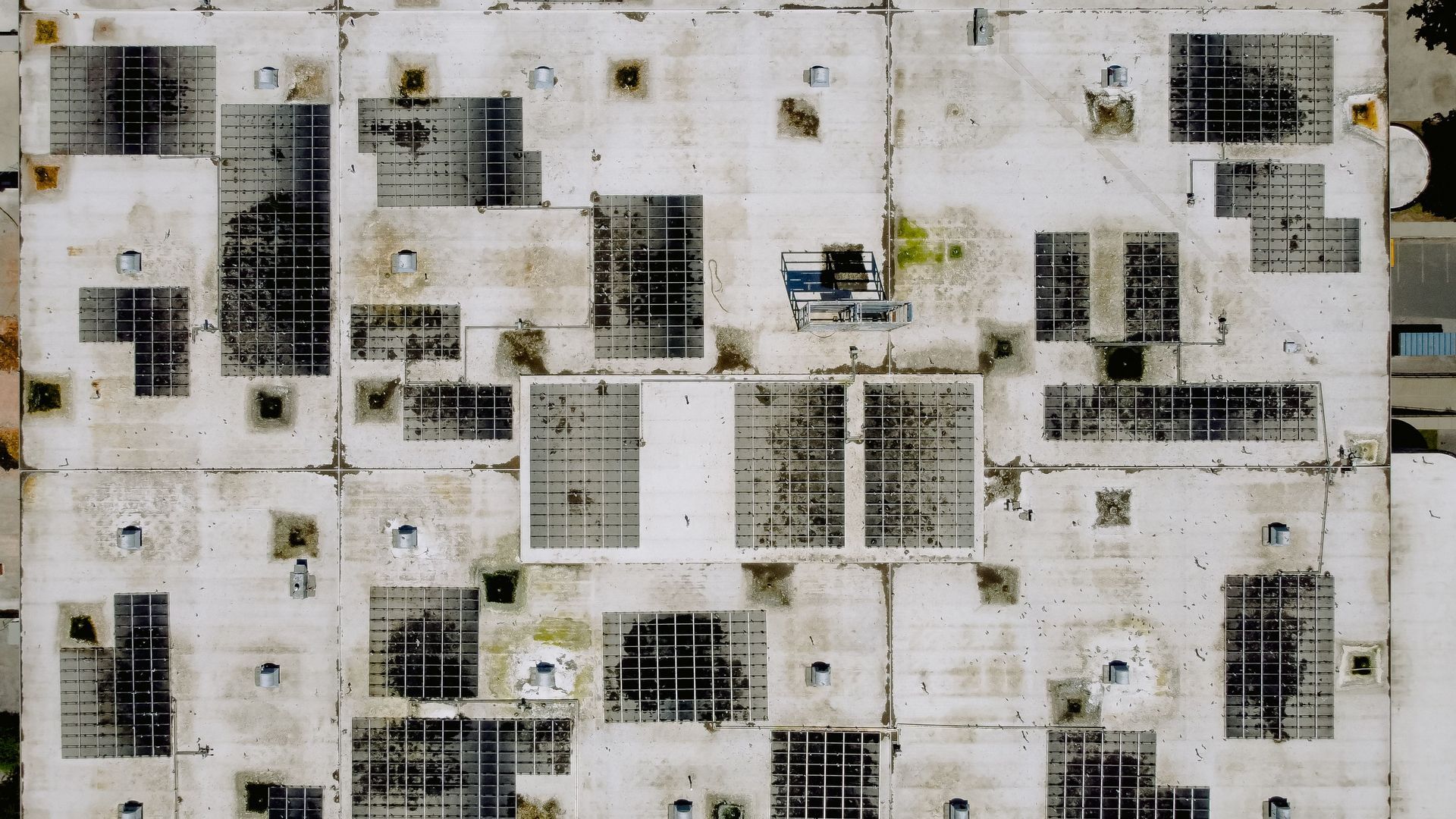
Flat or low-slope roofs require membrane systems like TPO, EPDM, or modified bitumen. Buildings with sloped or pitched rooflines may be better suited for metal roofing or other sloped systems. The architectural design of your building is a critical starting point for any roofing decision.
Climate Compatibility
Erie County experiences heavy snowfall, ice accumulation, and significant freeze-thaw cycles throughout the year. Any commercial roofing system selected for this region must be rated for cold-weather performance and able to support the weight of accumulated snow and ice without compromising structural integrity.
Maintenance Requirements
Some roofing systems are more maintenance-intensive than others. Flat membrane roofs should be inspected at least twice per year and after major storms to identify any punctures, seam separations, or drainage issues. A roofing contractor experienced with commercial systems can help establish a maintenance schedule that extends the life of your roof.
Professional Insights on Commercial Roofing Longevity
What Separates a Good Install from a Great One
The material you choose matters, but the quality of installation matters just as much. Even the most durable roofing system will underperform if it is improperly installed. Seam integrity, flashing details, drainage design, and substrate preparation are all critical factors that determine how long a commercial roof will perform.
Working with a licensed, insured commercial roofing contractor — one with experience in the specific system you are installing — is essential. Cutting corners during installation often leads to premature failures that void manufacturer warranties and result in expensive repairs.
When to Call a Commercial Roofing Professional
If your commercial roof is aging, showing signs of water infiltration, or has sustained storm damage, it is time to consult a professional. Waiting too long to address roofing issues can lead to interior damage, mold growth, and costly structural repairs that far exceed the original cost of roofing service.
G Roofing LLC provides commercial roofing services throughout Erie County, NY, including inspections, repairs, and full replacements. With over 20 years of industry experience and a team that understands the demands of Western New York weather, we are equipped to help property owners select and install the right roofing system for their building. Contact us today for a free commercial roofing quote.
Frequently Asked Questions
What is the most durable roofing material for a commercial building?
Metal roofing is generally considered the most durable option for commercial buildings, with a lifespan of 40 to 70 years. However, TPO and EPDM membranes are also highly durable choices for flat or low-slope roofs, offering 20 to 30 years of reliable performance when properly installed and maintained. The best material depends on your building's design and specific performance needs.
How long does a commercial roof typically last?
The lifespan of a commercial roof varies by material. EPDM and TPO membranes typically last 20 to 30 years. Modified bitumen systems average 20 to 30 years as well. Metal roofing can last 40 to 70 years or more with minimal maintenance. Proper installation and routine inspections significantly extend the life of any commercial roofing system.
How does Erie County's climate affect commercial roofing material selection?
Erie County's winters bring heavy snow, ice, and freeze-thaw cycles that place significant stress on roofing systems. Materials must be rated for cold-weather performance and capable of supporting snow loads. EPDM is particularly well-suited for cold climates due to its flexibility at low temperatures, while metal roofing handles ice and snow accumulation effectively thanks to its smooth surface.
How much does commercial roof replacement cost?
Commercial roof replacement costs vary widely based on building size, roofing material, roof condition, and local labor rates. Membrane systems like TPO and EPDM are generally more affordable upfront, while metal roofing has a higher initial cost but lower long-term maintenance expenses. The best way to get an accurate estimate for your Erie County property is to request a free inspection and quote from a licensed commercial roofing contractor.
How do I know if my commercial roof needs to be replaced or just repaired?
Signs that a commercial roof may need full replacement include widespread membrane shrinkage or cracking, recurring leaks in multiple areas, significant ponding water, and a roof that is approaching or past its expected lifespan. A professional inspection can determine whether targeted repairs will extend the roof's life or whether a full replacement is the more cost-effective solution for your building.
